


Proje – 2048: Military Game Design Document
December 17, 2025
The Light in the Mirror: Is There Still Hope for 2048: Military?
March 7, 2026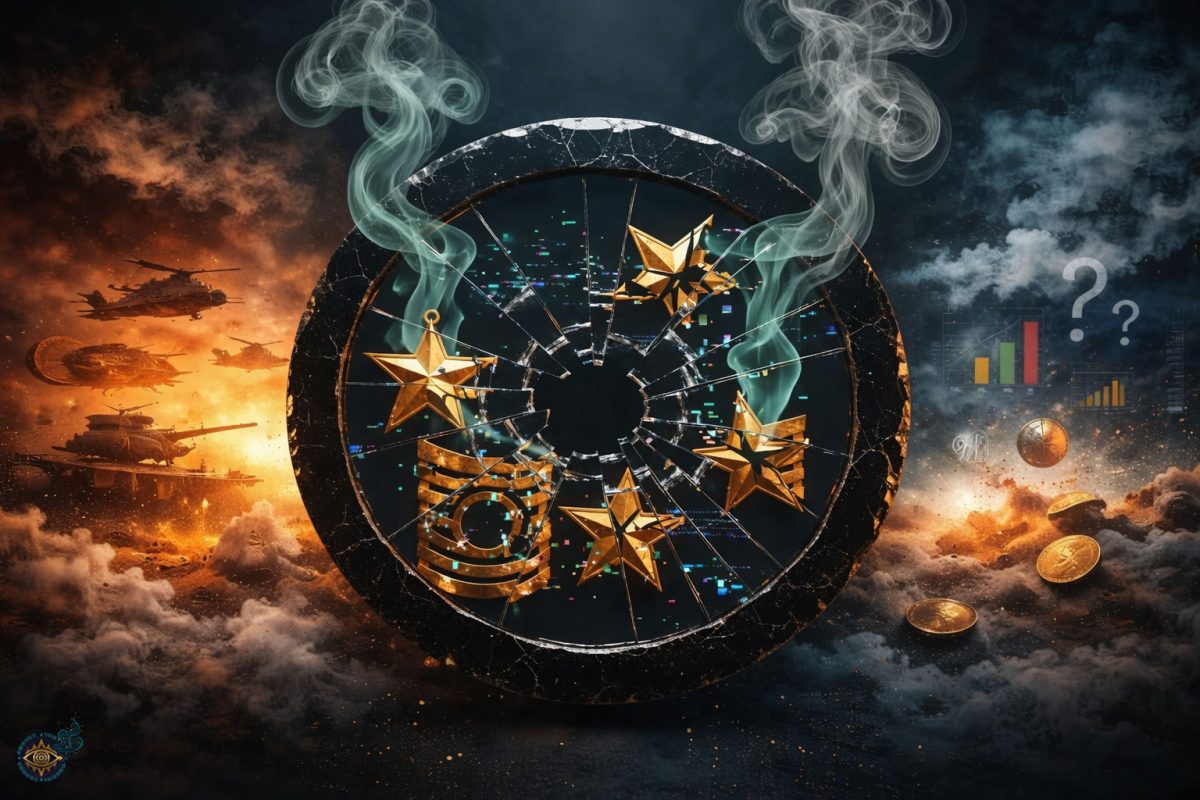
Hello. It has been about two months since my last post. I couldn’t stick to that tight blog series and social media schedule I had planned. I had to silence not just the communication channels, but sometimes even the game development itself.
Because while Tezca Games is my spiritual journey, there is also a material path I must walk to sustain my life.
Still, in this limited time, I managed to launch my first milestone, 2048: Military. I am proud to have published my first game, but to be honest, this process taught me much more than just coding: How the developer ego, caught in a god complex, gets shattered; why game companies employ armies of people; and just how lacking I am in design…
2048: Military became not just a process of learning software for me, but a philosophical confrontation. While it was a successful project in terms of my personal development, looking at market metrics, I have to accept a bitter truth: My game failed.
Why? Because nobody understood it. And because they didn’t understand it, they didn’t play it. The purpose of a game’s existence is to be played; if it isn’t played, it hasn’t fulfilled its mission.
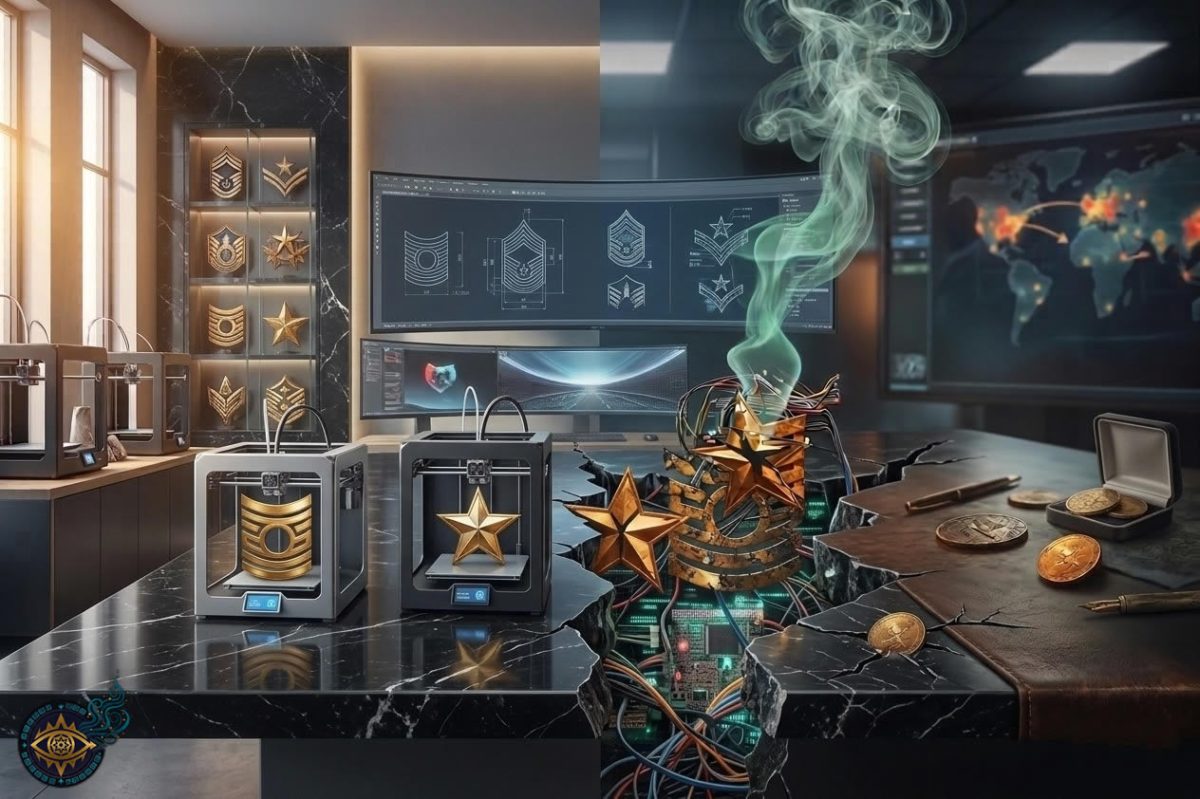
Let’s examine the anatomy of this failure together by looking into the “smoking mirror” represented by Tezcatlipoca—a figure in Aztec culture who both creates and destroys, ensures order, and balances chaos. By doing so, I also remain true to my concept on this path.
1. Concept Confusion: Ranks and Unfamiliarity
The game was a military-themed variation of 2048. My goal was to embed political critiques into the game mechanics. The moment I felt I had succeeded, saying “Okay, I have a great message!”, was actually the moment I lost.
Military ranks… Even though we follow NATO standards in Turkey, these symbols are not a universal language. The number of players who recognize the hierarchy just by seeing a rank insignia was far fewer than I thought. Although I later added a “Rank Hierarchy” section to the game, I couldn’t solve the fundamental problem: The player didn’t feel what they were merging or why they were merging it.
2. The UI/UX Slap
A developer’s biggest blindness is thinking that the design they made will be understood by everyone. I realized I had terrible User Interface (UI) and User Experience (UX) knowledge only when the data slapped me in the face.
You might say, “You could have gotten help from AI!” You’re right. But the struggle of life and lack of time prevented me from spending enough effort even on that. I couldn’t guide the player; I couldn’t intuitively tell them what they needed to do.
3. The Lost Message: Ataturk’s Principles and Mechanics
The “Events” mechanic that formed the soul of the game… Crisis moments where ranks are demoted, or reactionary activities occur. My dream was for the player to solve these crises using Ataturk’s Principles.
For example; if reactionism infiltrated the army, the player would clean it up using the principle of “Secularism”. My message was clear: “If the army is secular, reactionary structures cannot infiltrate.”
But the player didn’t understand this. Because the rate of using principles within the game mechanics remained very low. I tried to philosophize, but considering the masses worldwide who accept being apolitical and don’t even vote in elections, it’s obvious I was swimming in the wrong direction. Wikipedia states that “In the US, only about 70% of the voting-age population is registered to vote, which alone explains low voter turnout, and this rate has dropped to 50% of the voting-age population in recent presidential elections.” I’ll let you think about the rest.
4. The Tutorial Paradox
Here is the most painful point: The move I made to solve the problem only made it bigger.
At first, there was a simple, 3-step tutorial. I thought it was enough. However, when I had people around me play the game, even though “Swipe Down” was written in huge letters on the screen, they would turn to me and ask, “What do I do now?” In that moment, I felt the cold breath of failure on my neck.
To fix this, on February 2nd, I added a detailed, comprehensive tutorial explaining every event. What do you think the result was?
- Average playtime before: 4-6 minutes
- After the detailed tutorial: 1.5 minutes
While trying to teach people the game, I had alienated them from it. Facing a bigger wall while trying to solve a problem was an indescribable disappointment.
Conclusion and Future
In light of all this data, I accept that 2048: Military is not a commercial success. But this is not an end. This is the most expensive and valuable lesson of Tezca Games’ learning journey.
I saw the limits of my abilities; I understood where I was lacking.
I am currently working on one last update for the game. Just to learn “system design,” I will add the following:
- Tezca Coin: In-game economy system.
- Daily Missions: Mechanics to retain players.
- Market System: A place to spend Coins and buy abilities.
This update isn’t to save the game; it will be a training ground for my next project, a Management Game.
I am at the beginning of the road. I continue to learn by falling and getting up, by trial and error.



1 Comment
[…] you recall, I recently published an article titled “The Crack in the Mirror: Why Did 2048: Military Fail?“ where I stated I was going to pull the plug on the game and only release “one last […]